
A Carer is anyone, including children and adults who looks after a family member, partner or friend who needs help because of their illness, frailty, disability, a mental health problem or an addiction and cannot cope without their support. The care they give is unpaid.

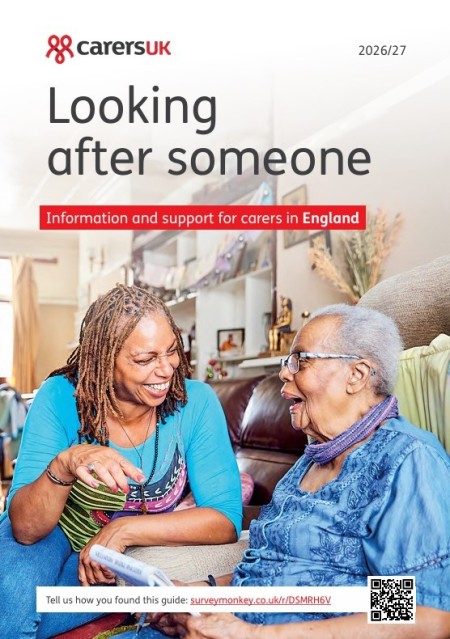
Click on the image to open Looking After Someone Guide 2026/27 from Carers UK
If you provide unpaid care for a family member, friend, or neighbour who could not manage without your support, you may be eligible for a Carer Passport.
A Carer Passport is a simple way to identify yourself as a carer and access information, support, and services that can help make your caring role easier. It can also help professionals recognise the valuable contribution you make and ensure you are signposted to appropriate support.
What is a Carer Passport?
A Carer Passport is a card or identification document that confirms your role as an unpaid carer. It can help:
- Raise awareness of your caring responsibilities.
- Improve communication with healthcare professionals and other services.
- Access information, advice, and support available to carers.
- Ensure your needs are considered alongside those of the person you care for.
- Identify you in emergencies.
Many carers do not see themselves as carers and may miss out on support they are entitled to. Having a Carer Passport can be an important first step in accessing help and recognising the vital role you play.
Who Can Apply?
You may be eligible for a Carer Passport if you provide unpaid care and support to someone due to:
- Illness
- Disability
- Frailty
- Mental health needs
- Substance misuse issues
- Age-related conditions
You do not need to live with the person you care for to be recognised as a carer.
Benefits of Having a Carer Passport
Carers often tell us that having a Carer Passport helps them feel recognised and valued. Depending on local arrangements, benefits may include:
- Easier identification as a carer when attending appointments.
- Access to carer information, advice, and support services.
- Information about carers' rights and wellbeing support.
- Opportunities to connect with local carer networks and organisations.
- Greater recognition of your role within health and social care services.
Looking After Your Own Health
Caring for someone else can be rewarding, but it can also be physically and emotionally demanding. It is important to take care of your own health and wellbeing.
If you are a carer, please let us know. We can:
- Record your carer status on your medical record.
- Provide information about local support available.
- Help you access health checks, vaccinations, and wellbeing services where appropriate.
- Signpost you to organisations that support carers.
Find Out More
If you would like more information about Carer Passports:
Contact: 01522 782224 or complete their online support request form here.
You can also visit www.
Carer's rights are designed to help you maintain your own health, wellbeing, education, employment, and social life while carrying out your caring role.
Your Right to a Carer's Assessment
Under the Care Act 2014, all unpaid carers have the right to request a Carer's Assessment from their local authority, regardless of how much care they provide or their financial circumstances. A Carer's Assessment looks at how your caring role affects your day-to-day life and identifies any support you may need.
The assessment may consider:
- Your physical and mental wellbeing
- Whether you are able and willing to continue caring
- Support to help you balance caring with work, education, family life and personal interests
- Access to respite breaks, services, equipment, training, or other practical support
Request a Carer's Assessment
Lincolnshire County Council
Lincolnshire Carers Service
Young Carers
A young carer is someone under the age of 18 who helps look after a family member or friend who has an illness, disability, mental health condition, or substance misuse issue. Young carers have the right to be recognised, supported, and assessed to ensure their caring responsibilities do not negatively affect their education, wellbeing, or future opportunities. For information and support for young carers in Lincolnshire, click here.
If you are unsure whether you are a carer, or would like help accessing a Carer's Assessment, please speak to a member of our practice team. We can help identify available support and signpost you to local services
Your Right to Support
Following a Carer's Assessment, you may be eligible for support to help you continue in your caring role and maintain your own wellbeing. Support may include practical help, access to local groups, emotional support, training, or information and advice.
Your Rights at Work
If you are employed, you may have the right to:
- Request flexible working arrangements
- Take time off in emergencies involving the person you care for
- Take Carer's Leave to provide or arrange care for someone with long-term care needs
Since April 2024, eligible employees have been entitled to up to one week of unpaid Carer's Leave each year, available from the first day of employment.
Financial Support
Many carers may be entitled to financial assistance, including:
- Carer's Allowance
- Council Tax support or reductions
- Help with household and living costs
- Benefits advice and guidance
For more information, visit the Lincolnshire County Council or GOV.UK websites.
Rights for Young Carers
Young carers have the right to be recognised and supported. Local authorities have a duty to identify young carers and assess whether they need help through a Young Carer's Needs Assessment. The aim is to ensure that caring responsibilities do not negatively affect a young person's health, education, wellbeing, or future opportunities.
Support in Lincolnshire
Lincolnshire offers a range of support services for young carers, including:
- Young Carer assessments
- Dedicated support groups
- A Young Carer Card
- Advice, advocacy, and wellbeing support
- Support within schools and colleges
If you are a young carer, or know someone who might be, please speak to a member of our team. We can help signpost you to local services and support available across Lincolnshire.
Further information
Every carer should have an emergency plan. Ask yourself:
What would happen if I became ill, had an accident, or was suddenly unable to provide care?
An emergency plan can include:
- Important contact numbers
- Medication information
- Care routines and preferences
- Details of healthcare professionals involved
- Alternative family members or friends who could help
Many carers find it useful to carry an "In Case of Emergency" (ICE) card in their wallet or phone. Connect to Support Lincolnshire can help to create an emergency plan for if you are unexpectedly unable to provide care, and how to get a carer’s emergency card. Emergency planning for carers | Connect to Support Lincolnshire
Lincolnshire carers can also access advice and support regarding emergency planning through the Lincolnshire Carers Service.
Did you know that we offer a range of extended opening hours to help make accessing healthcare more convenient?
-
Wednesdays: 7:00am – 8:00am
-
Thursdays: 6:30pm – 8:00pm
-
Once a month: Late Friday evening clinic and Saturday clinic appointments
If you find it difficult to attend appointments during our regular opening hours, particularly if you have caring responsibilities, please speak to a member of our team. We will do our best to accommodate your needs and help you access the care you require.
Many carers are unaware of the financial support available.
Carer's Allowance
You may be eligible for Carer's Allowance if:
- You provide care for at least 35 hours per week
- The person you care for receives a qualifying disability benefit
Carer's Allowance currently provides eligible carers with a weekly payment and may also give National Insurance credits.
Apply: https://
Carer's Credit
If caring responsibilities prevent you from working, you may qualify for Carer's Credit.
This is not a payment but helps protect your National Insurance record and future State Pension entitlement.
Apply: https://www.gov.uk/carers-credit
Attendance Allowance
Attendance Allowance helps people over State Pension age who need extra support with personal care because of illness or disability. It is not means tested.
More information: https://
Personal Independence Payment (PIP) and Disability Living Allowance (DLA)
People with long-term health conditions or disabilities may be entitled to:
- Personal Independence Payment (PIP) - More information and how to apply: https://
www. gov.uk/ pip - Disability Living Allowance (DLA) for eligible children - More information and how to apply: https:/
/ www.gov.uk/ disability-living-allowance-children
Receiving these benefits may also help a carer qualify for additional support.
Grants and Additional Financial Help
Carers may be able to access:
- Carers Trust grants
- Disability grants
- Energy and household support funds
- Charitable grants for equipment or respite
Useful websites:
Council Tax Reduction
Some carers and disabled people may be eligible for Council Tax discounts, reductions, exemptions, or disability band reductions depending on their circumstances.
Support may be available if:
- You are on a low income
- You receive certain benefits
- You are caring for someone
- Someone in your household has a disability
- You are entitled to Council Tax Support
Because Council Tax schemes vary between local authorities, you should apply through your local council.
Find your local scheme: https://www.gov.uk/apply-council-tax-reduction
For residents of Lincoln: City of Lincoln Council Council Tax Support: https:/
For disability-related Council Tax reductions and discounts: https://
Whether you are an adult carer or a young carer, looking after someone else can have a significant impact on your own health and wellbeing. Caring can be rewarding, but it can also be physically demanding, emotionally exhausting, and sometimes isolating.
Looking After Your Own Health
Carers are more likely to experience:
- Stress and anxiety
- Depression and low mood
- Sleep problems
- Social isolation
- Physical injuries from lifting, moving, or supporting someone
- Burnout and exhaustion from ongoing caring responsibilities
It is important to remember that your health matters too. Please make time to:
- Attend your own GP appointments
- Book regular health checks and screenings
- Keep up to date with vaccinations
- Seek support if you are struggling emotionally
- Take regular breaks from caring where possible
- Maintain healthy eating, exercise, and sleep habits
Young carers should also be supported to attend school, spend time with friends, enjoy hobbies, and have opportunities that are separate from their caring role.
Planning ahead can provide peace of mind for both carers and the people they care for. There are a number of legal arrangements that can help ensure a person's wishes are respected and that decisions can be made on their behalf if they become unable to do so.
Lasting Power of Attorney (LPA)
A Lasting Power of Attorney (LPA) is a legal document that allows someone (known as the "donor") to appoint one or more trusted people (known as "attorneys") to help make decisions or make decisions on their behalf should they lose mental capacity in the future. There are two types of LPA:
Health and Welfare LPA
This covers decisions about:
- Medical treatment
- Care arrangements
- Daily routines
- Moving into a care home
- Life-sustaining treatment (if specifically authorised)
Property and Financial Affairs LPA
This covers decisions about:
- Managing bank accounts
- Paying bills
- Collecting pensions and benefits
- Managing investments
- Buying or selling property
How Do I Arrange a Lasting Power of Attorney?
You can:
- Complete the forms yourself online through GOV.UK
- Use a solicitor for advice and assistance
- Seek guidance from the Office of the Public Guardian (OPG) Telephone: 0300 456 0300
The LPA must be registered with the Office of the Public Guardian before it can be used.
Many families find it helpful to arrange an LPA before it is needed, as it can no longer be created once a person has lost mental capacity.
Consent to Speak with a Carer
Many patients would like their carer, spouse, relative or friend to be involved in discussions about their healthcare.
If a patient has mental capacity, they can simply contact the practice and give permission for us to speak with a named individual about their care. This consent can often be recorded in the patient's medical record, allowing staff to understand who the patient wishes to be involved in their healthcare.
Patients can:
- Tell a receptionist
- Inform a clinician during an appointment
- Contact the practice by telephone
- Submit a request through practice communication channels
Please note that consent can be changed or withdrawn by the patient at any time.
Recording this information helps us communicate appropriately with carers whilst protecting patient confidentiality.
When a Person Cannot Make Decisions for Themselves
If someone loses mental capacity and does not have a Lasting Power of Attorney in place, family members do not automatically have the legal authority to make decisions on their behalf.
In some circumstances, an application may need to be made to the Court of Protection to appoint a deputy to make ongoing decisions regarding health, welfare, finances, or property. This can be a lengthy and expensive process compared with arranging an LPA in advance.
Young Carers and Consent
Young carers often play an important role in supporting a family member. However, healthcare professionals must still follow confidentiality and consent rules.
Professionals can usually only share health information with a young carer if:
- The patient has given consent, or
- There is another lawful reason to share information, such as safeguarding concerns.
Lincolnshire Young Carers Service offers guidance and support to young carers and their families regarding communication with services and professionals.
Telephone: 01522 553275
Email: youngcarers@
Further Advice
If you are unsure about:
- Lasting Power of Attorney
- Consent and confidentiality
- Decision making on behalf of someone else
- Deputyship and Court of Protection applications
You may wish to seek advice from:
- A solicitor
- Citizens Advice
- The Office of the Public Guardian
Citizens Advice: https://
Office of the Public Guardian: https://www.gov.uk/power-of-attorney
If you would like a carer, family member or friend to be involved in discussions about your care, please let the practice know so we can ensure your wishes are recorded accurately in your medical record.
The Lincolnshire Carers Service provides support for unpaid carers of all ages including:
- Information and advice
- Carer's assessments
- Wellbeing support
- Benefits guidance
- Employment support
- Events and social activities
- Support groups
- Young carers services
Telephone: 01522 782224
If you regularly help a family member, friend, or loved one with their healthcare, you may be able to apply for proxy online access to their GP record.
Proxy access allows someone to access online services on behalf of another patient, with the patient's consent where appropriate. This can be particularly helpful for:
- Children
- Older people
- People with disabilities
- Individuals with learning difficulties
- People who find it difficult to manage their own healthcare needs
What Can Proxy Access Be Used For?
Depending on the level of access granted, proxy access may allow you to:
- Book and cancel appointments
- Order repeat prescriptions
- View a patient's medical record, including test results
The level of access provided will be considered carefully and will depend on the individual circumstances of the patient.
Applying for Proxy Access
Proxy access is not granted automatically. The practice must verify the identity of both the patient and the person requesting access, and appropriate consent may be required.
If you believe proxy access would help you or someone you care for, please contact the practice team. We will be happy to explain the options available and guide you through the application process.
To apply, click here to complete the online form
Providing the right people with the right access can help patients manage their healthcare more easily, safely, and effectively.
If someone helps care for you—whether they are a paid professional or a family member or friend—you can let us know so we can update your health records to reflect that you have a Carer.
Having this information helps us better support you during appointments, especially if you need assistance with attending or communicating. Keeping your records up to date ensures your visits run as smoothly as possible.
To let us know you have a Carer, you can complete the online form on this page or tell our Reception team.
If you are looking for additional support, you can find helpful advice and resources on the following websites:
Caring often involves learning new skills. Training can help you feel more confident, reduce the risk of injury, improve safety, and support the person you care for to live as independently as possible.
Training opportunities are available for both adult carers and young carers.
Courses and Workshops Available
You may be interested in training on:
- Safe moving and handling
- Basic first aid and CPR
- Medication awareness
- Dementia awareness
- Learning disabilities and autism
- Mental health awareness
- End-of-life care
- Managing stress and resilience
- Legal and financial planning
- Nutrition and healthy caring
Lincolnshire Carers Service
The Lincolnshire Carers Service offers carers access to workshops, wellbeing sessions, practical support, information events and opportunities to develop skills and confidence in their caring role.
Telephone: 01522 782224
Website: https://www.lincolnshirecarersservice.org.uk
Carers First – Caring Confidently Programme
Carers First runs a free programme called Caring Confidently, designed specifically for unpaid carers. Sessions include:
- Understanding your caring role
- Looking after your physical and mental wellbeing
- Financial and legal matters
- Practical support including first aid and manual handling techniques
The programme is delivered both online and in community settings.
Telephone: 01522 782224
Website: https://www.carersfirst.org.uk/lincolnshire/how-we-help/
First Aid and Moving & Handling Training
LIVES (Lincolnshire Integrated Voluntary Emergency Service) provides accredited training across Lincolnshire, including:
- Emergency First Aid at Work
- Basic Life Support (CPR)
- Mental Health First Aid
- Moving and Handling Training
These courses can help carers learn practical skills and reduce the risk of injury to themselves and the person they care for.
Email: training
Lincolnshire Care Association (LinCA)
LinCA offers a range of health and social care courses which may also be useful for carers, including:
- Understanding Dementia
- Moving and Handling
- Mental Capacity Act
- Safeguarding
- Learning Disabilities
- Basic Life Support
Course availability varies throughout the year.
Website: https://
Young Carers
Young carers should not be expected to undertake inappropriate caring responsibilities. However, they may benefit from information, peer support, wellbeing activities and age-appropriate training to help them understand a loved one's condition and the support available to them.
The Lincolnshire Young Carers Service can provide information, support groups, activities and guidance for young carers and their families.
Telephone: 01522 553275
Email: youngcarers
Website: https://
Are You a Young Carer?
A young carer is someone under the age of 18 who helps care for a parent, brother, sister, grandparent, relative or friend who has a disability, long-term illness, mental health condition, addiction, or additional support needs. Young carers may help with household tasks, personal care, emotional support, communication, medication reminders, or looking after younger siblings.
Many young carers do not realise that they are carers. If you regularly help look after someone because they are unwell or need extra support, you may be a young carer.
You Are Not Alone
Across Lincolnshire, thousands of young people provide care and support to family members and friends. Young carers have the right to receive support, enjoy education, spend time with friends, and take part in activities just like other children and young people.
Support for Young Carers in Lincolnshire
The main specialist service for young carers in Lincolnshire. They offer:
- Young carers groups across the county
- Activities and social events
- One-to-one support
- Advice and guidance
- Online peer support
- Support with education and wellbeing
- Young Carer Cards
Email: youngcarers
Information about young carers' rights, support available, local groups, assessments, and advice for families.
The Young Carer Card can help professionals recognise your caring role and support communication about the person you care for. Apply here: https://www.lincolnshirecarersservice.org.uk/young-carers/
Support for Young Adult Carers (16–25)
-
Lincolnshire Carers Service - Support for young adult carers transitioning into adulthood, education, employment and independent living.
-
Carers Trust – Young Adult Carers - National support, advice, employment programmes, grants information and wellbeing resources for young carers and young adult carers.
Support in Education
Speak to Your School or College
Every school should identify and support young carers. Ask your school if they have a Young Carer Lead or designated member of staff who can provide support.
Support may include:
- Help with attendance
- Additional pastoral support
- Homework flexibility
- Emotional wellbeing support
- Access to young carers groups
Mental Health and Emotional Support
-
Lincolnshire Partnership NHS Foundation Trust (LPFT) - Information and support for young people caring for someone with a mental health condition. Email: carers.lpft@nhs.net
-
Kooth (Ages 11–25) - Free and confidential online mental health support for young people.
-
Shout - 24/7 confidential text support service. Text SHOUT to 85258
National Young Carer Support Organisations
-
The Mix (Under 25s) - Advice on wellbeing, relationships, education, housing and money.
-
Childline - Free confidential support for children and young people. Call 0800 1111
-
Young Minds - Mental health support and resources for young people.
Did You Know?
Nearly 8,000 people in Lincoln provide unpaid care for a family member, friend or neighbour.
Why is it important for us to know?
Many people provide regular help and support to a family member, friend, neighbour, or loved one without thinking of themselves as a "carer". Equally, some patients rely on a family member or friend to help them manage their health and wellbeing. If this applies to you, it is important that you let the practice know.
When we are aware that you are a carer, or that you have a carer supporting you, we can record this information in your medical record. This helps us to better understand your circumstances and ensure you receive appropriate support.
Having this information recorded can help us to:
- Identify carers who may benefit from advice, support, and local services.
- Consider the impact that caring responsibilities may have on a carer's physical and mental wellbeing.
- Ensure that healthcare professionals are aware of any support needs when planning care.
- Help us communicate effectively with patients who rely on a carer for assistance.
- Signpost carers to available resources, assessments, and community support services.
- Provide more personalised care by understanding a patient's support network.
Support for carers
Caring for someone can be rewarding, but it can also be physically and emotionally demanding. Carers are sometimes so focused on looking after others that they neglect their own health. By identifying yourself as a carer, we can help ensure that your own health and wellbeing are not overlooked.
How do I tell the practice?
If you are a carer, or if someone helps care for you, please let a member of our team know. You can also mention it during your next appointment with a healthcare professional, tell a receptionist next time you visit or you can complete the online form below.
Keeping this information up to date helps us provide the best possible care for both patients and carers.
If your caring responsibilities have changed, or if you have recently become a carer, please contact the practice so we can update your medical record.